About and ethos
The people behind the door, and what we believe
Every preschool says it is warm and caring. This page is our attempt to show you what we actually mean by it.
Our story
From Kings Hill Preschool to Little Aviators
We have been part of Kings Hill for nearly 20 years as Kings Hill Preschool, a charity run setting at 70 Gibson Drive. Little Aviators is our new name, a nod to the aviation history of Kings Hill itself, and everything parents already trust about the setting stays exactly as it is: the same team, the same room, the same garden.
The preschool was set up by a small group of mums who realised that there was no preschool provision for their children to attend. Between them they secured grants and funding and the preschool became a reality. We opened in April 2007 and some of the original staff are still working here.
What we believe
Boundless potential, celebrated
We believe every child has boundless potential, and that nothing should restrict their learning, their growth or their imagination. It is why our strapline is four words long: the sky's the limit.
We celebrate every child's cultural background, learning style and unique pace of development. That is not a poster on our wall; Ofsted watched it happen, noting that children here explore differences and similarities using books and stories. Difference is treated as interesting, never as strange.
And we provide a safe, stimulating space for every stage of early development, so children leave us as confident, independent learners. A child who feels secure will try things. Everything else we do is built on that.
Our approach
How we follow the EYFS
The Early Years Foundation Stage, the EYFS, is the framework every registered setting in England follows. It sets out how young children learn and what keeps them safe, from birth to the end of their Reception year. If you have never heard of it, that is completely normal. Most parents meet it for the first time on a preschool tour.
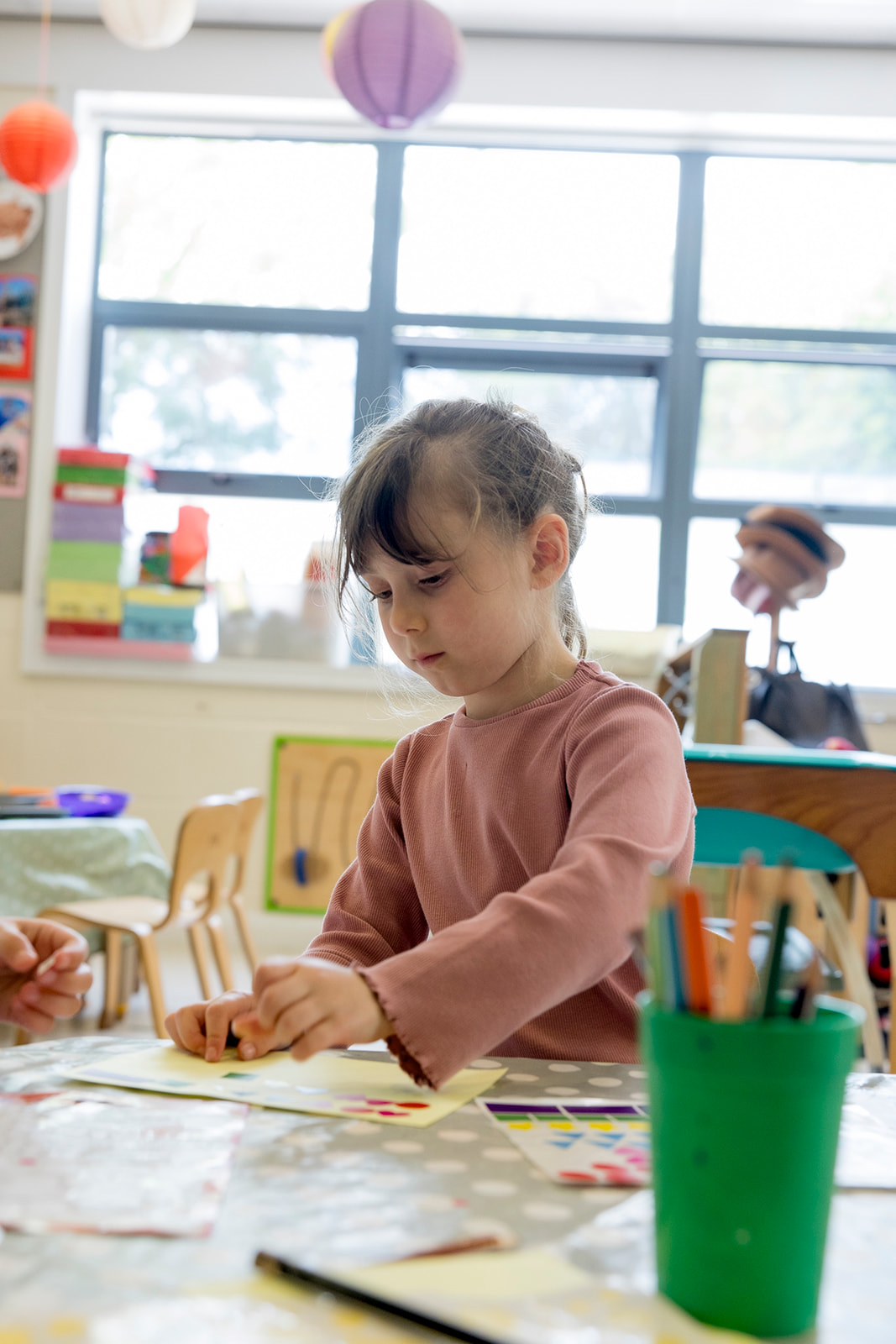
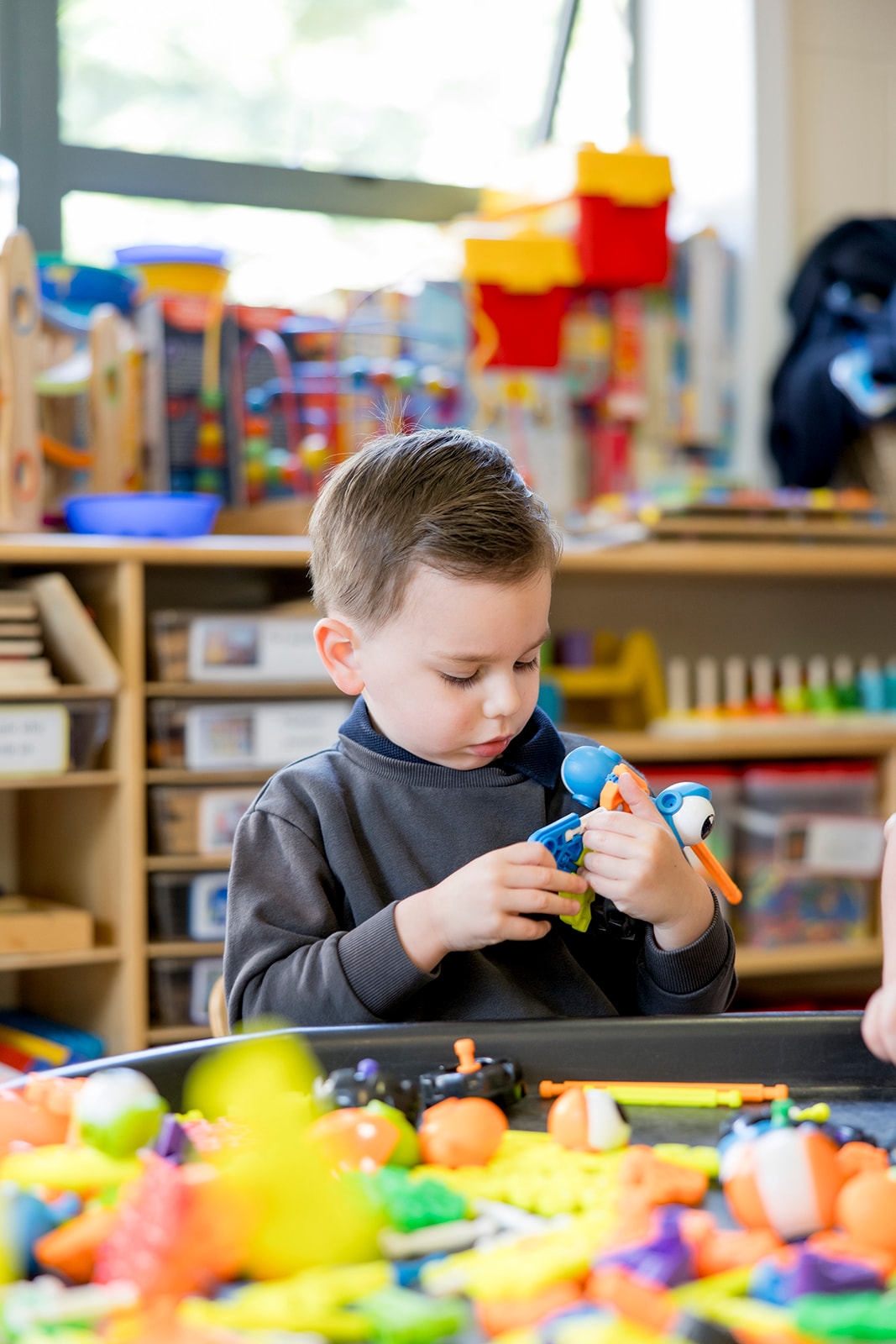
Here it means learning through play, being creative and exploring, with adults who know exactly what each child is ready for next. It does not mean worksheets. It looks like play because it is play; the learning is in how the play is set up. It is also how we make sure every child leaves us genuinely school ready.
The seven areas of learning, as they look here:
- Communication and language: adults who talk with your child all day, not at them, and stories at every opportunity.
- Physical development: climbing, balancing, digging and mark making, so bodies and hands grow strong together.
- Personal, social and emotional development: learning to share, to wait, to say sorry and to name big feelings.
- Literacy: rhymes, songs and books long before letters, then phonics when your child is ready for them.
- Mathematics: counting the stairs, sharing the strawberries and building towers taller than yesterday's.
- Understanding the world: growing herbs in the planting beds, watching snails and asking why the puddle froze overnight.
- Expressive arts and design: paint, glue, junk modelling, dressing up and singing, loudly and often.
The key-person approach
One adult who knows your child
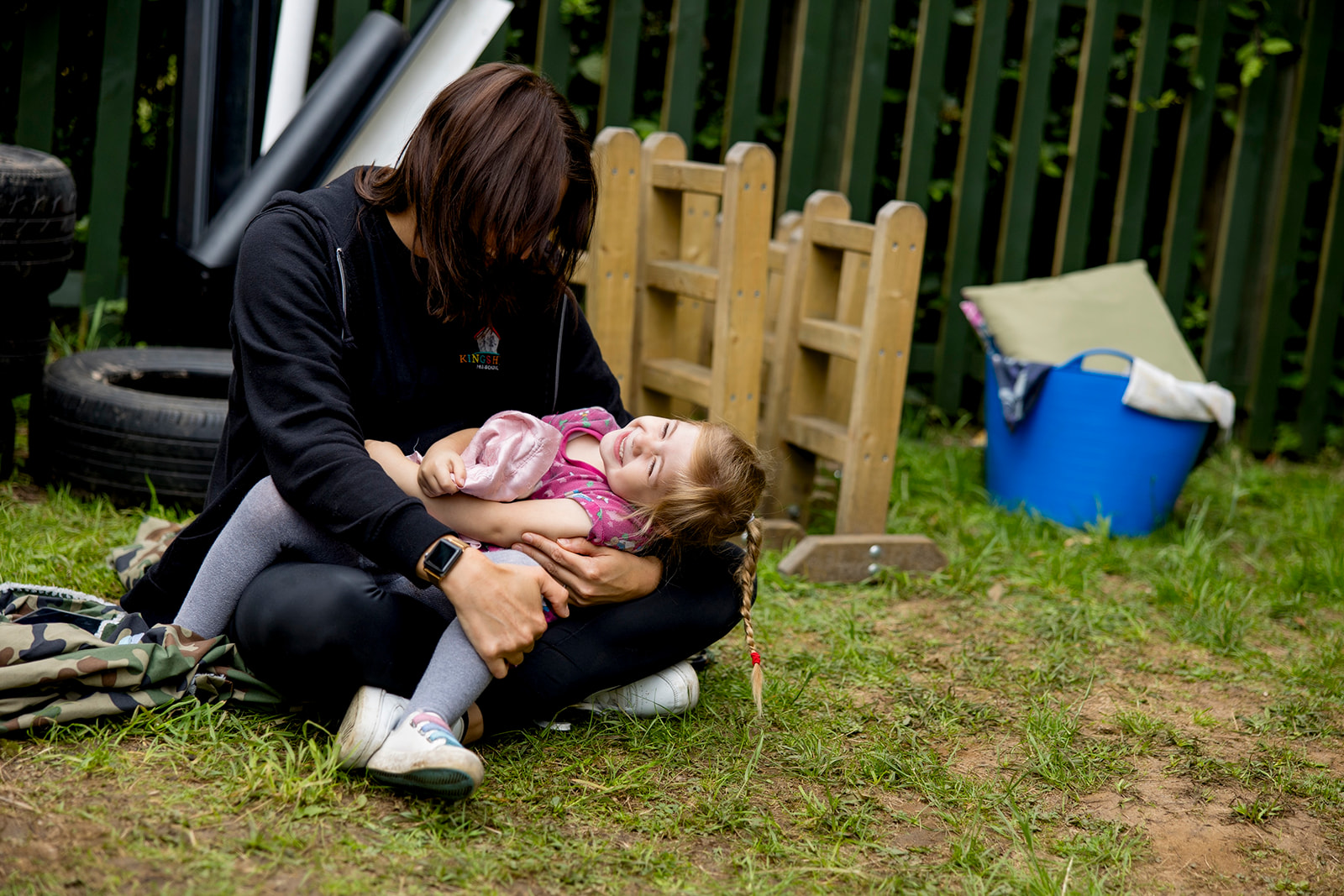
From the first settling session your child has a named key worker. She learns which songs calm them, what they can nearly do but not quite, and how they like to say goodbye. She is the face at drop off and the person you can ask anything, however small it feels. Children are not cared for by a rota. They are cared for by a person, so we give every child one.
British Values
Small lessons in living together
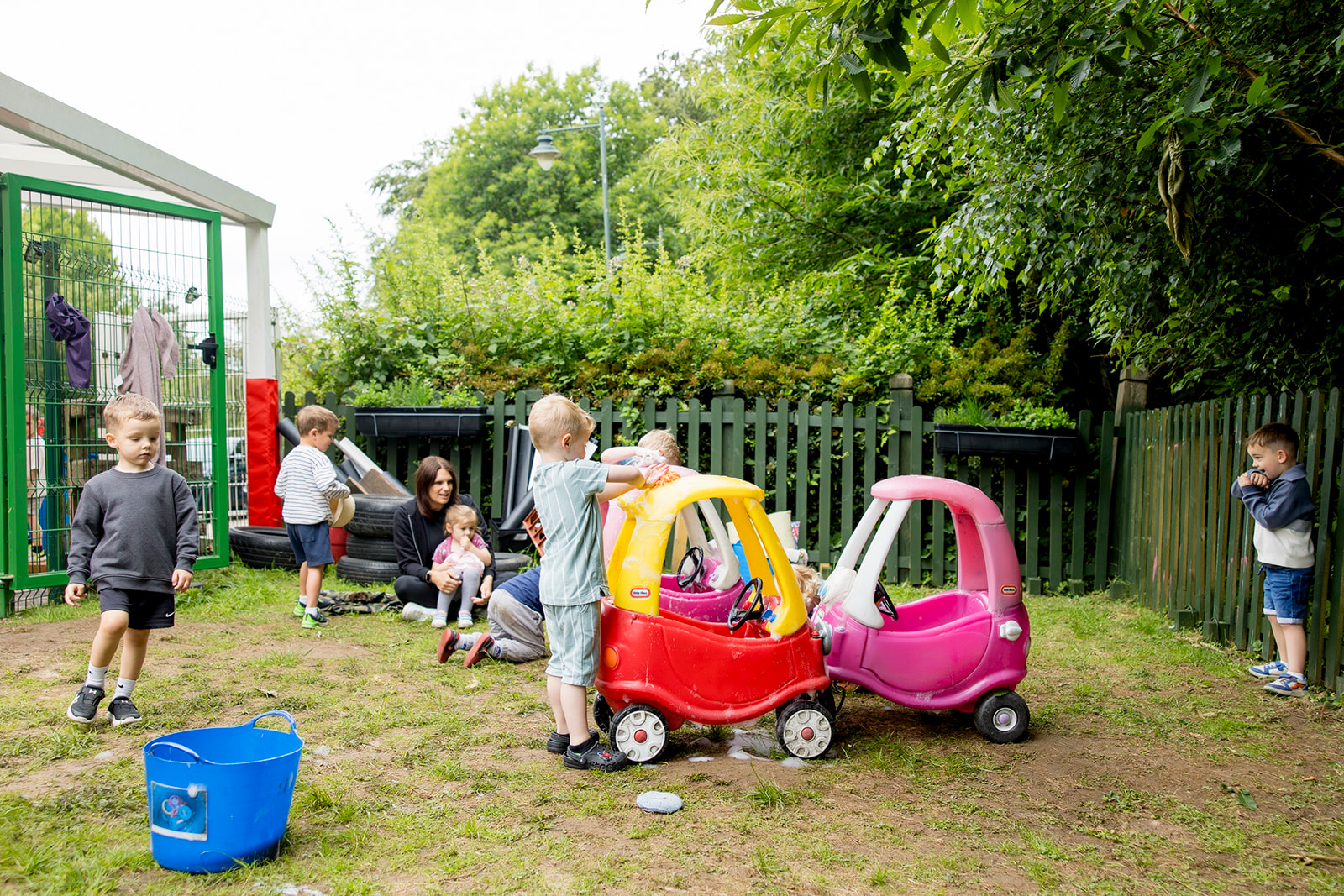
British Values sounds grand. In a preschool it is wonderfully ordinary: taking turns with the ride on cars, voting on which story we read before lunch, learning that different families do things differently and that this is interesting rather than strange. We teach it by living it, every day.
Outdoors
Our garden
Ofsted put it plainly: children here spend plenty of time outside in the garden, with good opportunities to exercise in the fresh air. There are planting beds the children dig and grow herbs in, a sandpit, water play and a fleet of well washed ride on cars. Staff are highly vigilant, and they teach children to manage risks rather than to avoid them.
Inspection
Ofsted, and what it means for you
Ofsted is the independent inspector of every registered early years setting in England. Inspectors arrive with little notice, watch real sessions and speak to staff, children and parents before publishing their findings. Our most recent inspection was in January 2023, and the inspector wrote that children are happy and secure at this inclusive, supportive and nurturing setting. Read the full report yourself rather than take our word for anything.
Ofsted registered, URN EY345804Inspected January 2023. Read our latest report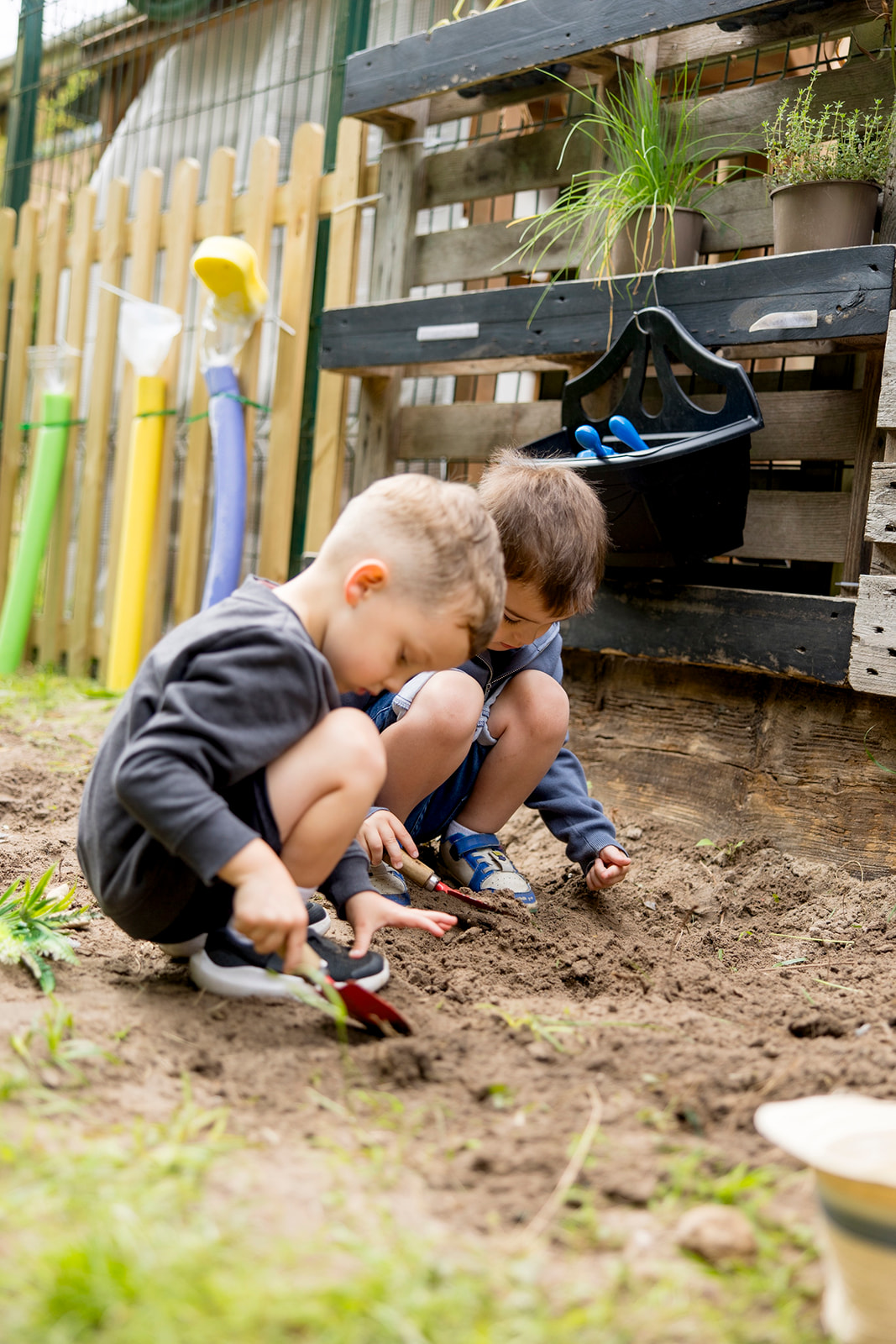
Reading about us is one thing. Watching a Tuesday morning happen is another. Come and visit.
Book a Tour